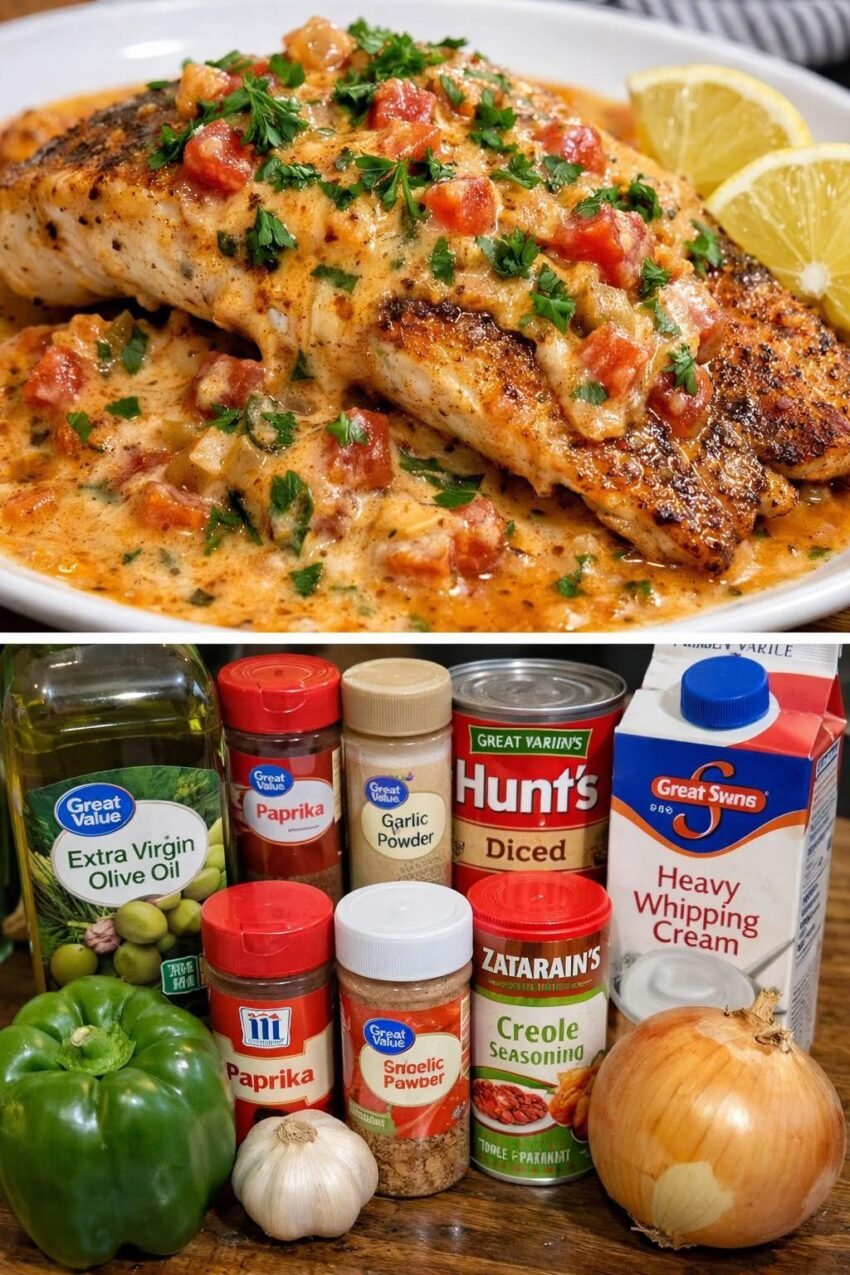
“Seasoning” refers to ingredients added to food to enhance or modify its flavor, aroma, or color. It’s a broad culinary concept that includes salt, herbs, spices, and blends. Here’s a detailed breakdown:
1. Basic Seasonings
- Salt – Enhances natural flavors, balances sweetness, and controls bitterness.
- Pepper – Adds mild heat and sharpness (black, white, or green peppercorns).
- Acids – Lemon juice, vinegar, or lime juice can brighten flavors.
2. Herbs
- Fresh herbs – Basil, parsley, cilantro, thyme, rosemary, dill, mint.
- Dried herbs – Oregano, marjoram, sage, bay leaves, tarragon.
- Typically added at the end of cooking (fresh) or early (dried) to release flavor.
3. Spices
- Derived from seeds, roots, bark, or fruits.
- Common examples: cumin, coriander, turmeric, paprika, cinnamon, nutmeg, chili powder.
- Can be whole or ground; toasted whole spices release more aroma.
4. Blends & Specialty Seasonings
- All-purpose seasoning – Salt, pepper, garlic, onion, paprika.
- Curry powder – Turmeric, coriander, cumin, fenugreek, chili.
- Italian seasoning – Oregano, basil, rosemary, thyme, marjoram.
- Herb mixes, BBQ rubs, Cajun or Creole seasoning – Used for specific cuisines.
5. How to Season Properly
- Layer flavors: Add seasoning in stages, not all at once.
- Taste as you go: Adjust salt, acidity, and heat gradually.
- Complement the ingredients: Strong herbs for mild foods, mild herbs for strong foods.
- Balance: Salt, acid, fat, and heat work together to create depth of flavor.
Tip:
Salt is the most essential seasoning—it enhances every other flavor. Spices and herbs add complexity, but salt brings the dish together.
If you want, I can give a simple guide to make your own all-purpose seasoning blend that works for meats, vegetables, soups, and more.
Do you want me to do that?
