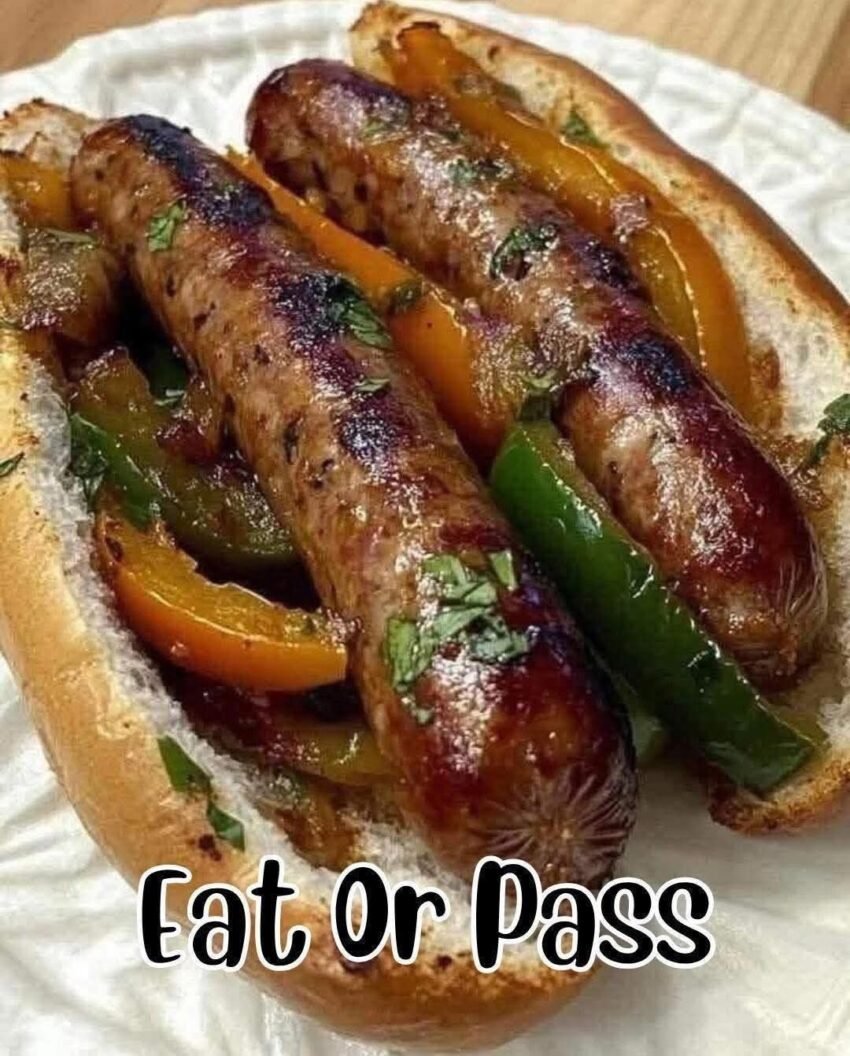
Sausages play a major role in Italian cuisine, varying widely by region in seasoning, texture, and preparation. Here’s a guide to some of the most important types:
🌭 Salsiccia
The general Italian word for fresh sausage. Typically made from pork and seasoned with salt, black pepper, garlic, and often fennel seeds.
- Used in pasta (like ragù), grilled, or crumbled on pizza
- Common throughout Italy
- Regional variations can be spicy, sweet, or flavored with wine
🧄 Luganega
A long, thin fresh sausage traditionally from northern Italy, especially Lombardy and Veneto.
- Mildly seasoned, often with nutmeg or cinnamon
- Frequently used in risotto (e.g., risotto alla monzese)
🌶️ ’Nduja
A spicy, spreadable pork sausage from Calabria.
- Made with chili peppers
- Soft texture; spread on bread or stirred into pasta sauces
- Known for intense heat and smoky flavor
🥖 Cotechino
A large, fresh pork sausage from Emilia-Romagna.
- Traditionally served boiled
- Often eaten with lentils on New Year’s Eve for good luck
- Rich, gelatinous texture
🍖 Zampone
Similar mixture to cotechino but stuffed into a pig’s trotter (foot).
- Also from Emilia-Romagna
- Served sliced after long simmering
🌰 Salsiccia di Norcia
A famous sausage from Norcia in Umbria.
- Lightly smoked or cured
- Simply seasoned to highlight high-quality pork
🧂 Finocchiona
A Tuscan cured sausage flavored heavily with fennel seeds.
- From Tuscany
- Soft texture, often spreadable when young
🩸 Sanguinaccio
A traditional blood sausage found in various regions.
- Can be savory (with pork blood and spices)
- In some areas historically also made into a sweet chocolate dessert version
🍷 Regional Characteristics
- North Italy: milder, often includes wine, nutmeg, garlic
- Central Italy: strong fennel and black pepper flavors
- South Italy: spicier, heavy use of chili
If you’d like, I can also share:
- Traditional Italian sausage pasta recipes
- Differences between Italian and American “Italian sausage”
- A regional sausage map of Italy
- Wine pairings for Italian sausages 🍷
