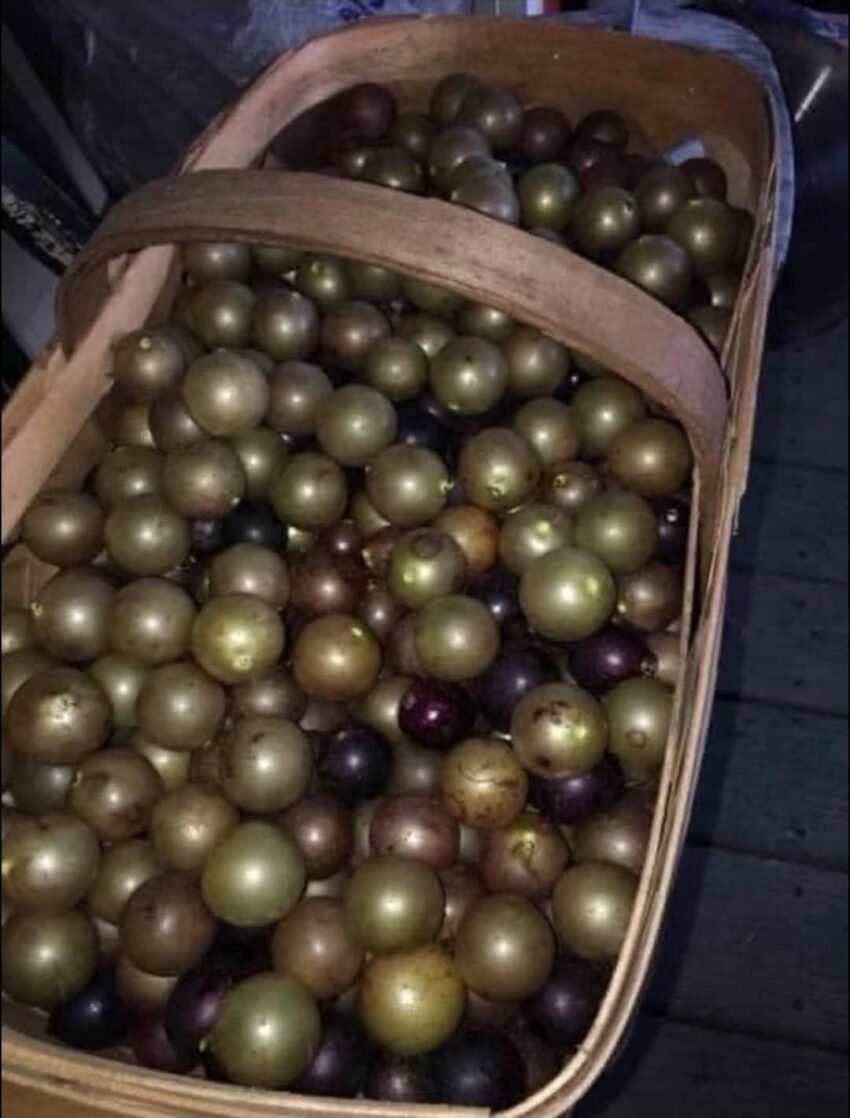
Here’s a detailed look at passion fruit, along with some tips and recipe ideas:
About Passion Fruit
- Scientific name: Passiflora edulis
- Appearance: Round or oval, with a tough outer rind (purple or yellow) and juicy, seed-filled interior.
- Flavor: Intensely aromatic, sweet-tart, tropical flavor—great for desserts, drinks, and sauces.
- Nutrition: Rich in vitamin C, dietary fiber, and antioxidants.
How to Use Passion Fruit
- Eating Fresh:
- Cut in half and scoop out the pulp and seeds with a spoon.
- Eat directly or mix into yogurt, cereal, or smoothies.
- Juice:
- Scoop pulp into a blender and strain seeds if you prefer smooth juice.
- Great for cocktails, lemonades, or sauces.
- Desserts:
- Use in mousses, tarts, cheesecakes, and sorbets for tropical flavor.
- Combine with cream or coconut milk for a custard-like filling.
- Sauces & Dressings:
- Mix pulp with a little sugar or honey for a drizzle over pancakes, ice cream, or fruit salads.
- Add to vinaigrettes for a tangy, fruity salad dressing.
Simple Passion Fruit Dessert Idea:
Passion Fruit Yogurt Parfait
- Layer Greek yogurt in a glass.
- Spoon in passion fruit pulp.
- Add granola or nuts for crunch.
- Optional: drizzle honey on top.
💡 Tips:
- Purple passion fruits are sweeter, while yellow ones are more tart.
- Store unripe fruit at room temperature until wrinkled; refrigerate ripe fruit for 2–3 days.
- The seeds are edible and provide a nice crunch, but can be strained for a smooth texture if desired.
If you want, I can give a quick passion fruit smoothie or cocktail recipe that’s refreshing and easy to make. Do you want me to do that?
