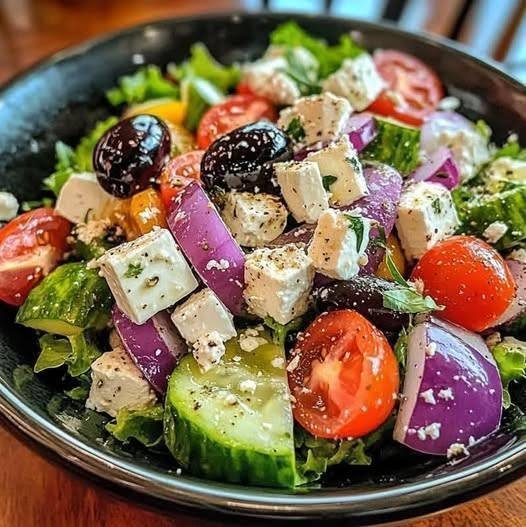
Greek cuisine is the traditional food culture of Greece, shaped by Mediterranean ingredients, ancient culinary traditions, and influences from the Balkans, the Middle East, and Italy. It is known for being fresh, flavorful, and heavily based on olive oil, vegetables, grains, herbs, seafood, and lamb.
Core ingredients
Greek cooking relies on simple, high-quality ingredients:
- Olive oil (a central fat used in almost every dish)
- Fresh vegetables like tomatoes, eggplant, zucchini, and peppers
- Cheese, especially feta
- Herbs such as oregano, thyme, dill, and mint
- Seafood (especially in coastal regions)
- Grains and legumes like wheat, lentils, and chickpeas
Famous dishes
Some of the most iconic Greek foods include:
- Moussaka – A baked casserole made with eggplant, minced meat (usually lamb or beef), and creamy béchamel sauce on top.
- Souvlaki – Skewered and grilled meat, often served in pita bread with vegetables and sauces.
- Gyros – Meat cooked on a vertical rotisserie, sliced and served in pita with tzatziki, onions, and tomatoes.
- Tzatziki – A yogurt-based dip made with cucumber, garlic, olive oil, and herbs.
- Spanakopita – A savory spinach and feta cheese pie wrapped in flaky phyllo pastry.
- Dolmades – Grape leaves stuffed with rice, herbs, and sometimes meat.
Desserts
Greek sweets are often rich in honey, nuts, and syrup:
- Baklava (layers of phyllo pastry with nuts and honey syrup)
- Loukoumades (fried dough balls with honey and cinnamon)
Eating style
Greek meals are typically social and shared. Dishes are served family-style, encouraging long, relaxed meals with conversation—often accompanied by bread, wine, or ouzo.
If you want, I can suggest easy Greek recipes you can cook at home or recommend popular Greek dishes based on your taste (meat, vegetarian, or seafood).
