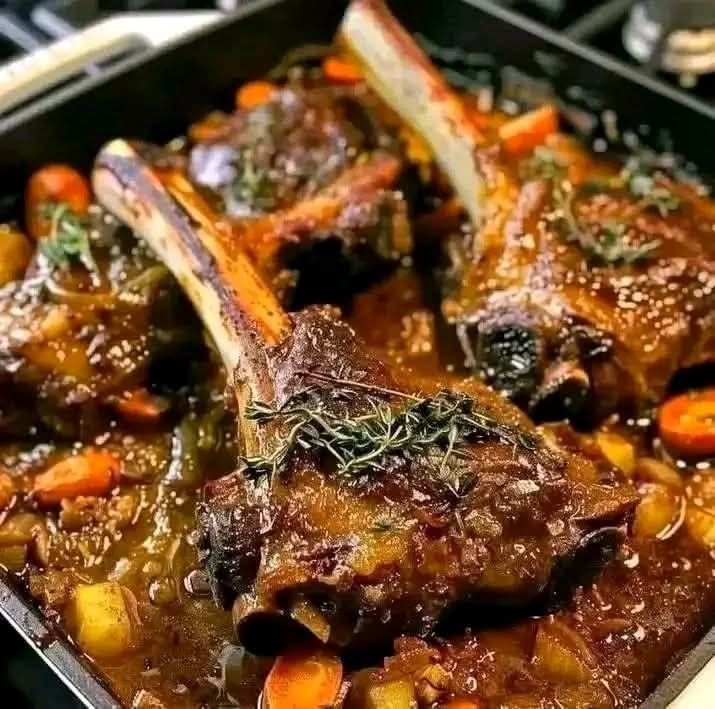
Here’s a clear guide to lamb and mutton — their differences, cooking tips, and uses 🐑🍽️.
1. Difference Between Lamb and Mutton
| Feature | Lamb | Mutton |
|---|---|---|
| Age of the animal | Less than 1 year | Over 1 year (usually 2–3 years) |
| Flavor | Mild, tender | Stronger, gamier |
| Texture | Soft, delicate | Firmer, chewier |
| Fat | Light, white fat | Darker, more marbled |
| Common dishes | Roasts, chops, stews | Curries, slow-cooked dishes, braises |
2. Cooking Tips
Lamb
- Best for quick-cook methods: grilling, pan-frying, roasting.
- Cuts: rack, loin, chops, leg.
- Season simply: garlic, rosemary, thyme, olive oil, salt & pepper.
- Medium doneness keeps it tender (145°F / 63°C internal temp).
Mutton
- Needs long, slow cooking to tenderize.
- Cuts: shoulder, leg, neck, shank.
- Perfect for: stews, curries, biryani, slow-roasted dishes.
- Marinating overnight in yogurt, spices, or citrus helps soften the meat.
3. Popular Dishes
Lamb
- Roasted leg of lamb 🥩
- Lamb chops with garlic & herbs
- Lamb kebabs or shawarma 🌯
Mutton
- Mutton curry (spicy, slow-cooked) 🍛
- Mutton biryani 🍚
- Mutton stew or braised mutton
💡 Tips
- Lamb: cook medium-rare to medium for juiciness.
- Mutton: slow cook 2–3 hours until tender.
- Both benefit from fresh herbs and aromatics (garlic, onions, rosemary, thyme).
If you want, I can make a quick comparison chart with cooking times and methods for each cut of lamb and mutton — super handy for meal planning.
Do you want me to make that chart?
