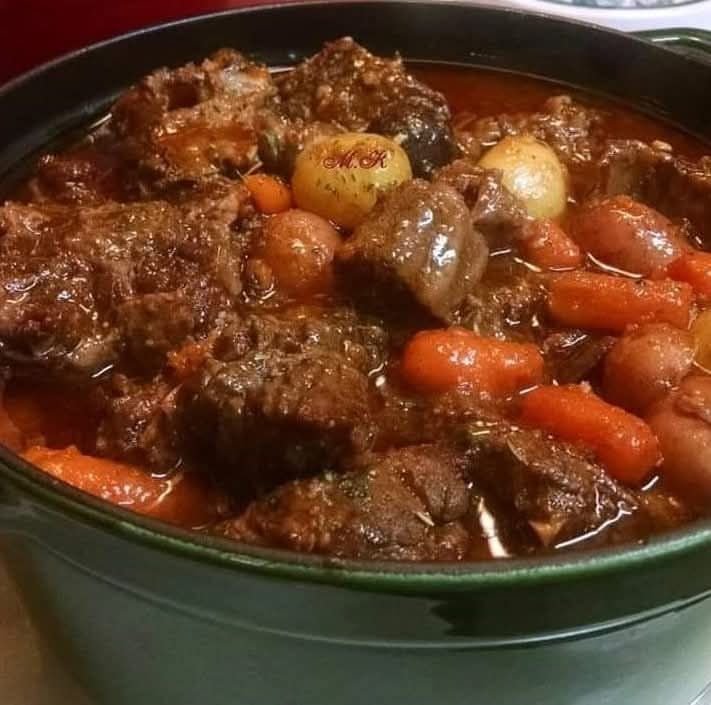
Ah, stew meat—the unsung hero of hearty, comforting dishes! Let’s break it down clearly.
🥩 What Stew Meat Is
- Cut source: Often comes from tougher, more affordable cuts like beef chuck, round, or brisket.
- Texture: Tough at first but becomes tender and flavorful when cooked slowly.
- Uses: Ideal for:
- Beef stew
- Slow-cooked soups or soups
- Braised dishes
- Crockpot or Instant Pot meals
🔹 Key Characteristics
| Feature | Notes |
|---|---|
| Flavor | Rich, beefy, absorbs seasonings well |
| Texture | Tough raw, tender when slow-cooked |
| Fat Content | Moderate (marbling adds flavor) |
| Cost | Affordable, great for big meals |
🥘 Cooking Tips
- Brown first: Sear the meat in batches for 2–3 minutes per side to build flavor.
- Low & slow: Stew meat shines when simmered gently in liquid for 1.5–3 hours.
- Cut size matters: Cubes of 1–1.5 inches cook evenly; very small pieces may dry out.
- Acid helps tenderize: Add a splash of wine, vinegar, or tomatoes to break down connective tissue.
- Don’t rush: Quick cooking = chewy meat; slow cooking = melt-in-your-mouth tenderness.
💡 Fun fact: “Stew meat” isn’t a single cut; it’s more of a label for any tougher beef suitable for stewing. That’s why it’s versatile and budget-friendly.
If you want, I can give you a super tender, foolproof beef stew recipe using stew meat that works in the oven, slow cooker, or Instant Pot.
Do you want me to do that?
