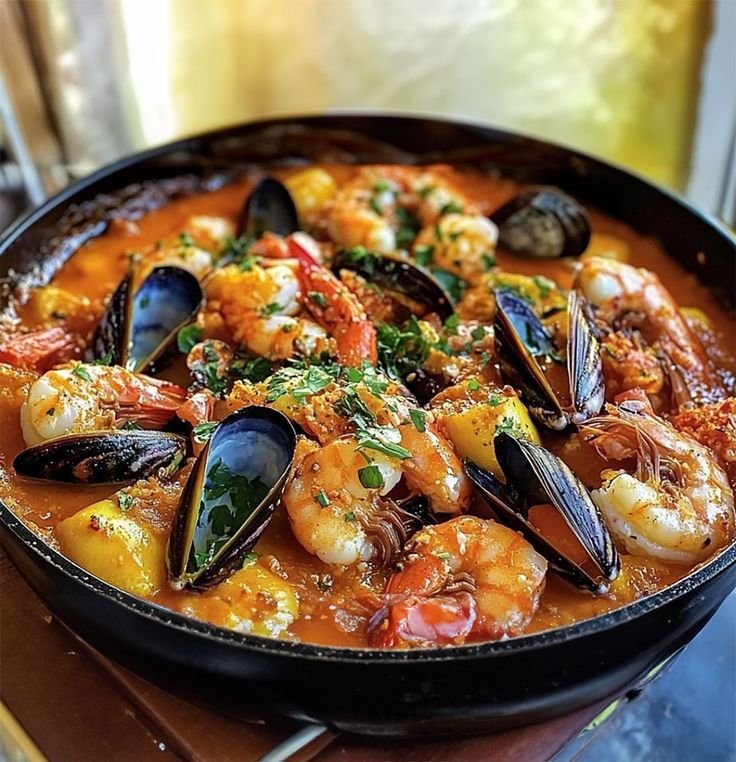
Here’s an overview of Spanish cuisine — rich, diverse, and rooted in history, geography, and regional ingredients. 🇪🇸🍽️
Key Features of Spanish Cuisine
- Regional Diversity: Spain’s cuisine varies widely by region, influenced by climate, geography, and cultural history.
- Andalusia: Tapas, fried fish, gazpacho.
- Catalonia: Escudella, crema catalana, seafood dishes.
- Basque Country: Pintxos, seafood, grilled meats.
- Valencia: Paella, horchata.
- Core Ingredients:
- Olive oil (ubiquitous in cooking)
- Garlic and onions
- Fresh vegetables: peppers, tomatoes, eggplant
- Seafood: shrimp, squid, cod
- Meats: pork, lamb, chorizo
- Rice and legumes
- Flavors and Techniques:
- Grilling, roasting, stewing, frying
- Use of smoked paprika (pimentón)
- Emphasis on fresh, seasonal produce
Famous Spanish Dishes
- Paella – Rice cooked with saffron, seafood, chicken, or rabbit.
- Gazpacho / Salmorejo – Cold tomato-based soups from Andalusia.
- Tortilla Española – Potato and onion omelet.
- Patatas Bravas – Fried potatoes with spicy tomato sauce.
- Jamón Ibérico – Cured Iberian ham.
- Churros con Chocolate – Fried dough pastries served with thick chocolate.
- Pulpo a la Gallega – Octopus with paprika and olive oil, from Galicia.
Spanish Dining Culture
- Tapas: Small plates shared among friends — a hallmark of social dining.
- Meals: Lunch is typically the largest meal, often followed by a siesta. Dinner is lighter and eaten late in the evening.
- Wine & Drinks: Rioja wine, sherry, sangria, and cava are popular beverages.
Tips to Explore Spanish Cuisine
- Start with a tapas night to try multiple dishes.
- Use fresh olive oil and smoked paprika for authentic flavors.
- Try regional specialties — Spanish cuisine varies dramatically from north to south.
If you want, I can also give you a list of 10 easy Spanish recipes you can cook at home to experience authentic flavors.
Do you want me to do that?
