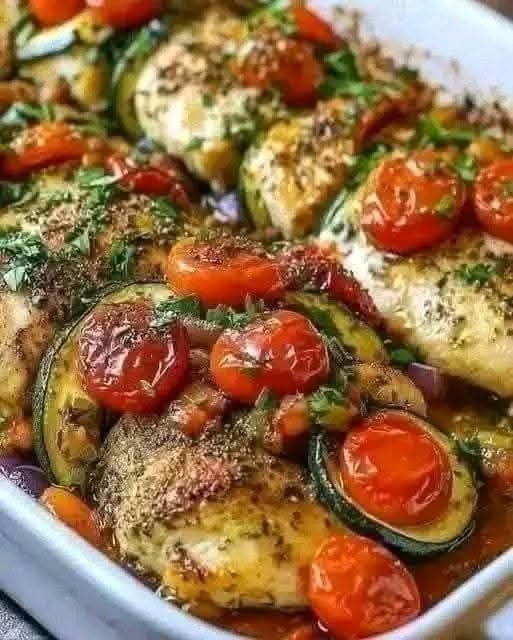
Mediterranean cuisine refers to the diverse culinary traditions of countries surrounding the Mediterranean Sea, including parts of Southern Europe, North Africa, and the Middle East. It’s celebrated for its fresh ingredients, bold flavors, and health benefits—especially the use of olive oil, vegetables, legumes, grains, and seafood.
Key Features:
- Olive oil – Primary cooking fat, used in dressings, sautés, and drizzling over dishes.
- Fresh vegetables and fruits – Tomatoes, eggplant, zucchini, peppers, citrus, figs.
- Legumes and grains – Chickpeas, lentils, bulgur, couscous, farro.
- Seafood – Fish, shrimp, calamari, sardines, often grilled or roasted.
- Herbs and spices – Oregano, thyme, rosemary, mint, garlic, cumin, saffron.
- Dairy – Feta, halloumi, yogurt, and other fresh cheeses.
- Moderate meats – Chicken, lamb, and beef used sparingly; often for flavoring stews or kebabs.
Popular Mediterranean Dishes:
- Greek: Moussaka, Greek salad, spanakopita (spinach pie)
- Italian: Caprese salad, pasta primavera, risotto, seafood dishes
- Spanish: Paella, gazpacho, tapas
- Middle Eastern/North African: Hummus, falafel, tabbouleh, shakshuka, tagines
Health Benefits:
- Rich in monounsaturated fats (from olive oil)
- High in fiber and antioxidants (from fruits, vegetables, and legumes)
- Balanced protein sources (seafood, legumes, lean meats)
- Associated with heart health and longevity
If you want, I can create a sample one-week Mediterranean meal plan that’s easy to follow and full of flavor. It’s a great way to eat healthy without feeling restricted. Do you want me to do that?
