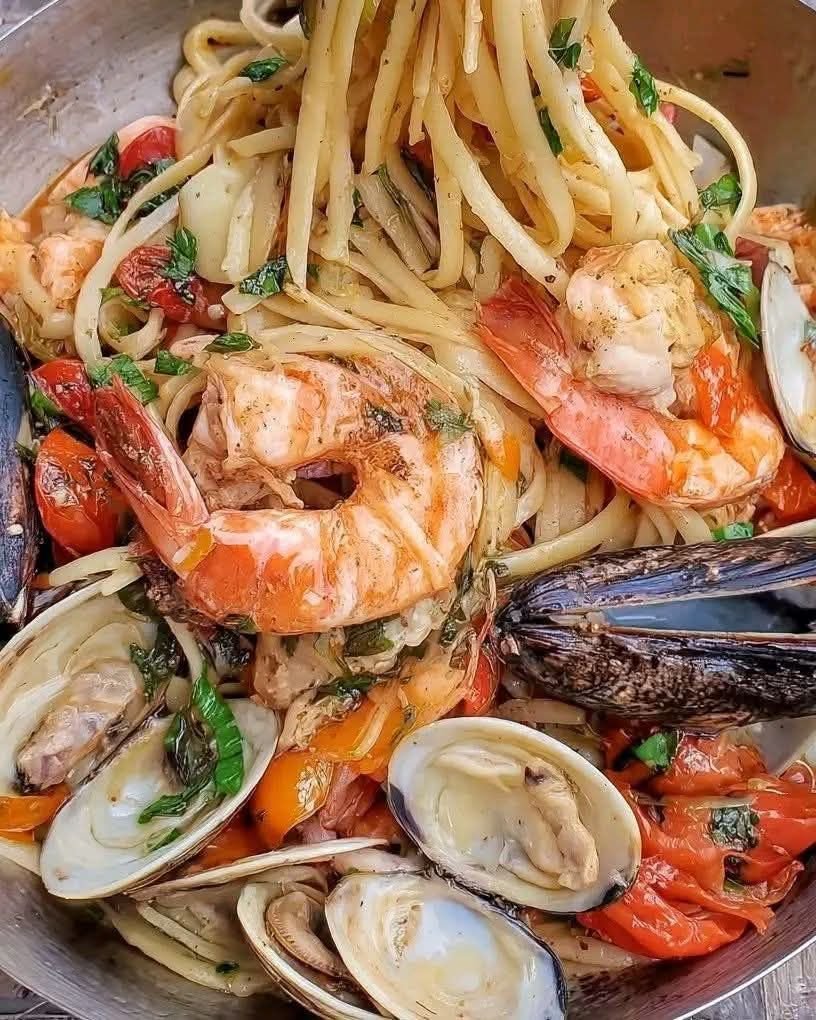
Here’s an overview of Italian cuisine — one of the world’s most beloved culinary traditions, known for its simplicity, fresh ingredients, and regional diversity. 🇮🇹🍝
Key Features of Italian Cuisine
- Regional Diversity: Italy’s cuisine varies by region, reflecting local ingredients and traditions.
- Northern Italy: Risotto, polenta, butter-based sauces, cheeses like Parmigiano-Reggiano.
- Central Italy: Olive oil, pasta dishes (like carbonara), roasted meats.
- Southern Italy: Tomato-based sauces, olive oil, fresh seafood, and pizza.
- Core Ingredients:
- Olive oil (used in most dishes)
- Garlic and onions
- Tomatoes and fresh herbs (basil, oregano, rosemary)
- Pasta and rice
- Cheeses: mozzarella, Parmigiano-Reggiano, ricotta
- Meats: prosciutto, beef, pork, chicken
- Seafood (especially in coastal regions)
- Flavors and Techniques:
- Emphasis on fresh, seasonal ingredients
- Simple preparation to highlight natural flavors
- Use of slow cooking for sauces and braises
Famous Italian Dishes
- Pasta Dishes: Spaghetti alla Carbonara, Lasagna, Fettuccine Alfredo, Pesto Pasta
- Pizza: Classic Neapolitan pizza with fresh mozzarella and tomato sauce
- Risotto: Creamy rice dishes like Risotto alla Milanese
- Antipasti: Bruschetta, Caprese salad, cured meats
- Soups: Minestrone, Ribollita
- Desserts: Tiramisu, Cannoli, Panna Cotta
- Cheeses & Meats: Parmigiano-Reggiano, Pecorino, Prosciutto di Parma
Italian Dining Culture
- Meals are often multi-course: antipasto → pasta → main → dessert → coffee → digestivo
- Family and social gatherings are central to dining
- Wine is a staple, paired with regional dishes
Tips to Explore Italian Cuisine
- Focus on quality ingredients — olive oil, fresh herbs, ripe tomatoes.
- Learn a few classic sauces: marinara, pesto, Alfredo.
- Try regional specialties — flavors vary greatly from north to south.
If you want, I can also give you a list of 10 easy Italian recipes you can cook at home, including pasta, pizza, and desserts.
Do you want me to do that?
