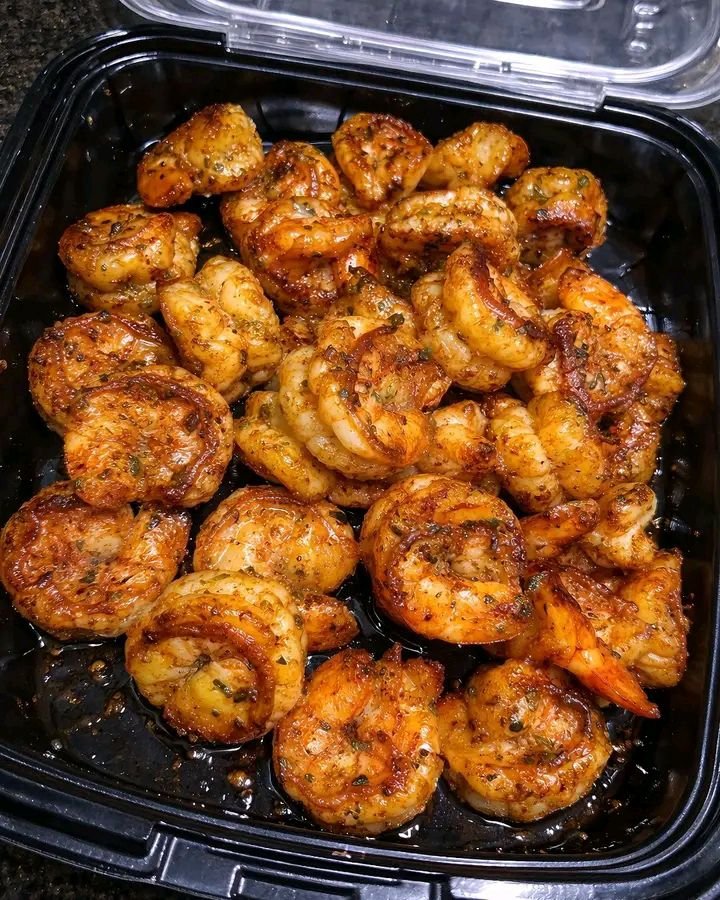
Ah, Cajun cuisine—now we’re talking rich, flavorful, and unapologetically bold food! Let me give you a thorough overview:
Origins
Cajun cuisine comes from the Cajuns, descendants of French-speaking Acadians expelled from Canada (mainly Nova Scotia) in the 18th century, who settled in Louisiana. Over time, their cooking blended with Native American, Spanish, African, and Creole influences, creating a hearty, rustic, and deeply flavorful cuisine.
Key Characteristics
- Bold flavors: Often smoky, spicy, and savory.
- Use of local ingredients: Seafood (shrimp, crawfish), pork, chicken, rice, and seasonal vegetables.
- The “Holy Trinity”: Onions, bell peppers, and celery. This is like the Cajun version of mirepoix in French cooking—used as a flavor base in almost every dish.
- Roux-based sauces: Dark roux (butter and flour cooked until brown) adds richness.
- Spices: Paprika, cayenne pepper, black pepper, garlic, thyme, and bay leaf. Heavy on flavor, but not necessarily extremely hot.
Classic Cajun Dishes
- Gumbo – A thick stew, often with sausage, chicken, or seafood, thickened with roux and sometimes okra.
- Jambalaya – A one-pot dish with rice, meat (chicken, sausage), and sometimes seafood, simmered with tomatoes and spices.
- Etouffée – Seafood (often crawfish or shrimp) smothered in a rich, roux-based sauce, served over rice.
- Boudin – A spicy sausage made with pork, rice, and seasonings.
- Cajun Blackened Fish or Chicken – Meat coated with spices and seared in a hot skillet.
- Red Beans and Rice – Typically slow-cooked beans with sausage or ham, served over rice.
Cooking Style
Cajun cooking is often called “country cooking”, emphasizing simple, affordable ingredients, slow cooking, and maximizing flavor. Unlike Creole cuisine, which can be more “city” and French-influenced with cream sauces and wine, Cajun food is heartier and rustic.
If you want, I can make a simple step-by-step Cajun dish recipe you could try at home that really captures the authentic flavors.
Do you want me to do that?
