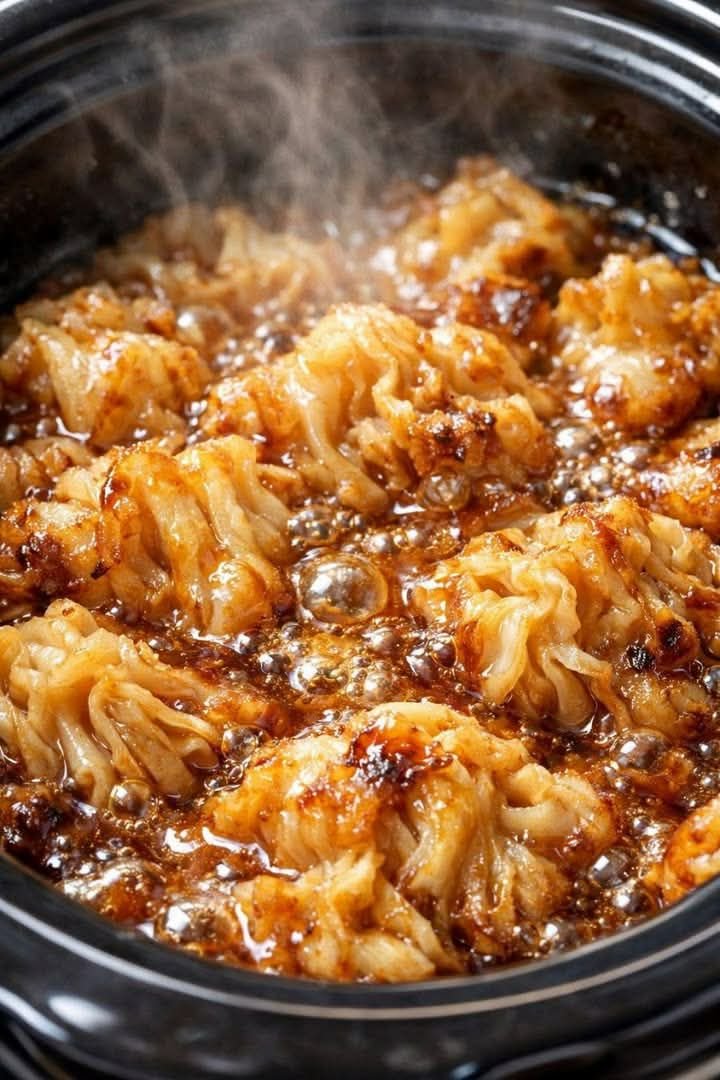
“Dim sum” isn’t just a dish—it’s a whole style of Cantonese cuisine featuring a variety of small, bite-sized foods, traditionally served with tea. Think of it as a delicious parade of dumplings, buns, rolls, and sweets!
Key Categories of Dim Sum
- Steamed dumplings
- Har gow – Shrimp dumplings with a translucent wrapper.
- Siu mai – Open-topped pork and shrimp dumplings, often topped with roe.
- Vegetable dumplings – Filled with mushrooms, bamboo shoots, and greens.
- Buns
- Char siu bao – Steamed or baked buns filled with sweet barbecue pork.
- Lotus seed or red bean buns – Sweet buns served as dessert.
- Rice and noodle dishes
- Cheung fun – Steamed rice noodle rolls, often filled with shrimp, beef, or barbecue pork and drizzled with soy sauce.
- Sticky rice in lotus leaf – Glutinous rice with meat and mushrooms, wrapped and steamed in a lotus leaf.
- Fried or baked items
- Spring rolls – Crispy rolls filled with vegetables or meat.
- Turnip cakes – Pan-fried savory cakes made from shredded radish and rice flour.
- Egg tarts – Sweet custard tartlets.
- Soups and congee
- Congee – Rice porridge served plain or with toppings like pork, century egg, or fish.
- Wonton soup – Broth with dumplings filled with shrimp or pork.
Dim Sum Etiquette
- Traditionally enjoyed family-style—small plates are shared.
- Often served with tea, which helps with digestion.
- Usually eaten in the morning or early afternoon, especially on weekends.
If you want, I can also make a beginner-friendly dim sum menu you can make at home, including recipes for har gow, siu mai, and char siu bao—perfect for trying dim sum yourself.
Do you want me to do that?
